
Blog
Why Are So Many New PC Games Launching Without Steam?


For many PC gamers, Steam has become the go-to place to look for a new release. And yet, some big new PC game releases have begun skipping Steam altogether. Games like Hytale and Arknights Endfield recently launched without any intention of coming to Steam. Others, like the increasingly popular cozy game Heartopia, arrived for PC via their own launcher before later coming to Steam. Given that the platform remains so popular with players who use PC or Steam Deck for gaming, why are so many developers opting to use dedicated launchers instead?
Launching a game on Steam has quite a few perks for developers, particularly indies. The system is a trusted place to download games, whereas some gamers can be wary of installing unvetted dedicated launchers and game files. And Steam has a huge userbase, which can help with discovery. Yet it seems more and more games are opting to launch without being available on Steam, at least initially. I decided to dig into why that is, in case you, like me, were curious to know the pros and cons of a Steam launch for game devs.
Steam Can Help with Discoverability and Sales, But Not Every Game Needs That
Because of its massive user base, one of the big reasons indie games launch on Steam is discoverability. Things like the trending charts and customized recommendations make Steam a potential place to gain a bigger audience for a game. In that way, it’s not just a sales platform, but also a discoverability one. Because many gamers are integrated with the Steam ecosystem, launching a game there can help with marketing it in and of itself.
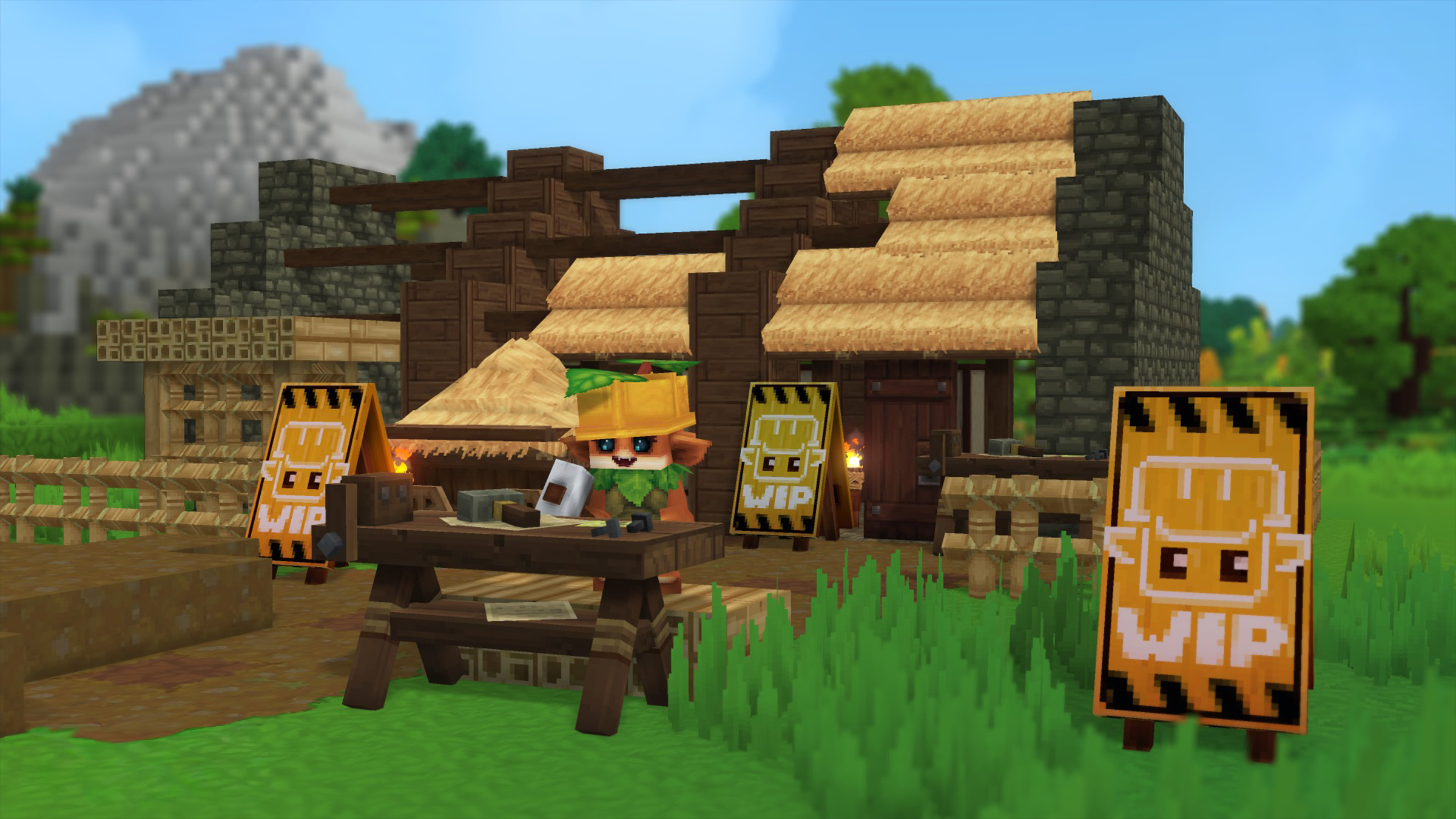
But not every game needs that. When Hytale launched into Early Access, the devs were pretty up front about why they didn’t bring their game to Steam. As a Minecraft spinoff with a large player base, discoverability wasn’t really a problem for Hytale. In fact, having too much input from people outside of the game’s target audience could do more harm than good. Steam can easily get flooded with early negative reviews for games at launch, and that can turn the pro of discoverability into a major con. That’s part of why Hypixel Studios opted for its own launcher at first.
It’s a similar story for Arknights Endfield, which launched with an existing fan base from the prior game in the series, Arknights. And already having built in audience is also why some of the biggest PC games, like Roblox and Minecraft, have never come to Steam even after all this time. Those games have no discoverability issues, and with plenty of players already integrated into their system, introducing a third-party seller into the mix may not feel worth it. There’s also the fact that some companies, including Mojang Studios owner Microsoft, prefer to keep customers within their own ecosystems. If a game partners with a publisher that has its own existing distribution system, coming to Steam may not be in the cards.
Despite Its Perks, Steam Does Have Downsides

Aside from not needing or wanting discoverability or having a publisher that prefers to keep players in a different launcher or store, there are other reasons a game might skip Steam. The most obvious is, of course, that Steam takes a cut of profits. That’s not unusual, as most sales platforms hve a revenue sharing agreement. However, some developers feel that th 30% fee offered by Steam is steep compared to other platforms, especially using your own launcher and sales platform directly.
There are a few other things to consider for why a game might skip Steam, as well. Valve has particular rules about content and standards for games, which could add more work for devs depending on the game. They also require AI content disclosures, which can lead to controversy, as many gamers prefer not to engage with games that use generative AI. And then, there’s the way Steam prominently displays the review average for games right below the description. This can hurt a game if it gets an early influx of negative reviews, leading to a Mixed or even the dreaded Mostly Negative rating.
These drawbacks seem to be a large part of why Heartopia wasn’t on Steam right at launch. When the cozy game launched on mobile and its own website, the developers noted they were still working on “optimizing the PC experience.” This suggests that Valve had some steeper requirements for launch than what XD was willing to release on their own platform.
Basically, even if many PC gamers might prefer to have all their games on Steam, there are some potential drawbacks for developers. Ultimately, each developer and publisher have their own reasons for not putting a PC game on Steam. But things like revenue share, platform requirements, and readily displayed negative reviews could make some developers wary of the platform. Sometimes, games that launch without being on Steam arrive on the platform down the line, perhaps after developers are more easily able to meet Valve’s requirements or feel more confident they won’t be swamped with negative reviews.
Do you prefer to play PC games via Steam, or are you a multi-platform PC gamer? Leave a comment below and join the conversation now in the ComicBook Forum!


